


Sermilik Station


an Austrian – Danish Cooperation
The Arctic, one of the most climate-sensitive regions on Earth, is undergoing unprecedented changes. The vanishing cryosphere, such as sea ice loss, glacier retreat, and decreasing snow cover, is a major driver of environmental transformations and ecological disruptions. Understanding the complex interactions and cascading effects between climate and environmental change is crucial for predicting regional and global climate impacts.
The Sermilik Research Station in East Greenland is a vital facility in the Arctic, offering essential fieldwork support and a logistic base for researchers from all disciplines. Beyond its role in facilitating current research, the station also acts as a training ground for aspiring polar scientists, offering practical fieldwork experience and interdisciplinary educational opportunities to cultivate the next generation of polar researchers.
Sermilik Station
The Sermilik Research Station is situated on the west coast of Ammassalik Ø in southeastern Greenland. It is strategically positioned at the at the entrance of the stunning Sermilik Fjord and in close proximity to the Mittivakat mountain glacier. Nearby, you’ll find the main village of Tasiilaq (15 km southeast) and Tiilerillaq (23 km north).
To get there, most visitors fly to Kulusuk, then complete their journey to the station by boat or helicopter (either directly or with a stop in Tasiilaq). In winter, reaching the station with snow mobiles or dog sledge can sometimes also be an option.
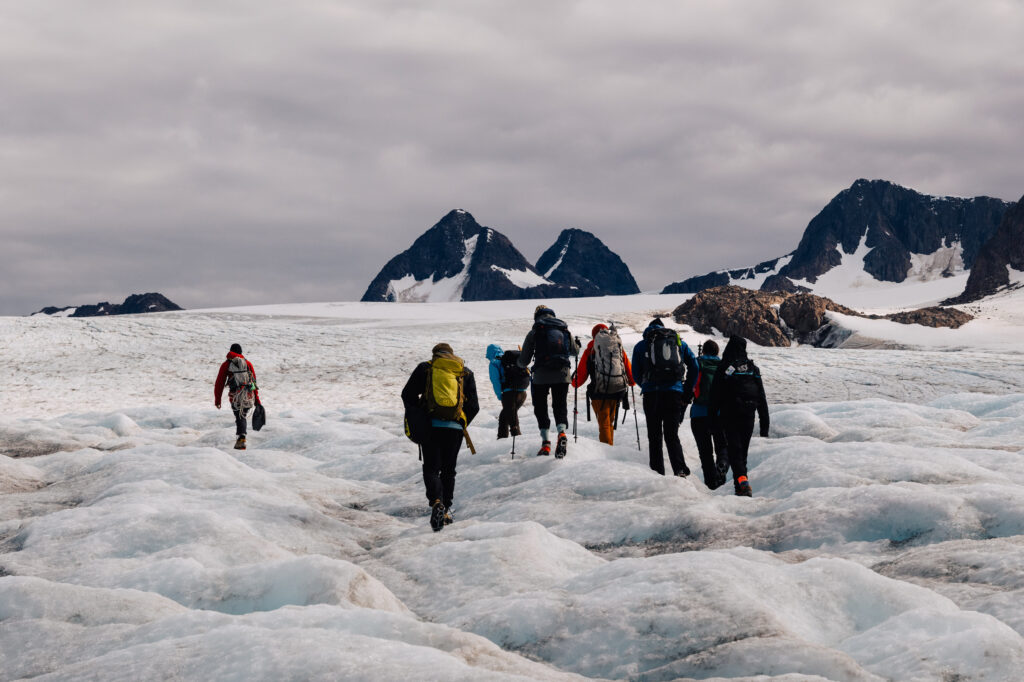
Sermilik Station sits within a dynamic and fragile Arctic ecosystem shaped by snow, ice, weather, and ocean dynamics. This remote site offers researchers a unique vantage point to study interactions between Greenland’s cryosphere and surrounding ecosystems. As a visiting researcher, you’ll have direct access to critical areas for monitoring climate change impacts, along with Greenland’s diverse flora and fauna. Surrounded by glaciers, icebergs, and pristine waters, the station is an ideal base for interdisciplinary research. Just a 30–45 minute hike away is the Mittivakkat Glacier, renowned for its long research history.
Sermilik Research Station is a multidisciplinary research facility dedicated to studying climate change, the implications of cryosphere retreat and environmental shifts in the Arctic.
The station offers a modern interior and accommodation, basic lab equipment, renewable energy systems with a diesel backup, and communication tools for remote scientific research.
Located in southeastern Greenland, the station is surrounded by glaciers, fjords, and a stunning polar landscape, providing a unique setting to study Arctic climate impacts.
Established to support climate and environmental research, the station has a long history of scientific monitoring in Greenland. A new station building now significantly strengthens the research possibilities.
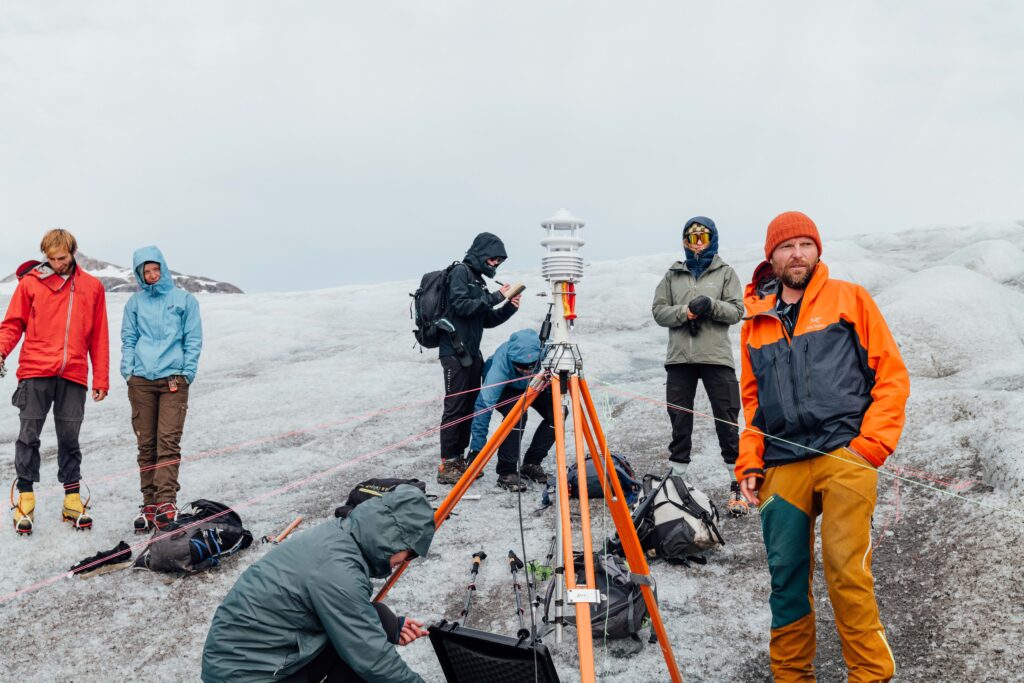
Sermilik Station offers outstanding possibilities for Arctic fieldwork. We have an exceptional collection of long-term measurement data, especially from the Mittivakkat glacier, covering glaciological, hydrological, and meteorological observations. This unique data availability allows for detailed comparisons between historical climate drivers and newly collected data.
We use a diverse range of monitoring devices to investigate environmental changes in the region and are continuously expanding our data collection instruments. Our research combines various disciplines, from biological and chemical analysis to atmospheric and cryospheric feedback mechanisms. We envision a steady expansion of interdisciplinary research at the station, integrating satellite observations and remote sensing with in-situ field measurements.
Sermilik Station is a vibrant hub for collaborative research. We actively foster interdisciplinary approaches, believing that a comprehensive understanding of the Arctic’s complex challenges requires insights from diverse fields. Researchers from the natural sciences, social sciences, and humanities are all equally welcome to contribute their expertise.
A core tenet of our mission is to encourage research that provides direct benefits for the local inhabitants of East Greenland. We strongly advocate for researchers to actively communicate their research efforts, results, and publications with the local community. To support such outreach activities, our team is available to offer assistance whenever needed, ensuring that scientific advancements translate into meaningful contributions for the people who call this unique region home.
Some of the largest glaciers, such as Jakobshavn, Helheim, and Kangerlussuaq, have retreated by more than 10 kilometers (6.2 miles) in the past two decades. Continued monitoring and research are crucial to understanding the long-term effects of glacier retreat on Greenland and the planet.
Key research areas include ice sheet dynamics, glacier retreat, permafrost thaw, and sea ice changes, all of which contribute to rising sea levels and ecosystem shifts. Researchers also study microbial activity in ice and soil, as well as the effects of climate change on marine and terrestrial ecosystems. Through the integration of modern scientific methods and Indigenous knowledge, the station provides crucial insights into the broader implications of Arctic environmental changes, with a focus on sustainability and adaptation.
We welcome research groups from diverse scientific fields to conduct studies in one of the most dynamic Arctic environments. Whether your focus is on glaciology, climate science, marine ecosystems, or Indigenous knowledge, our station offers direct access to Greenland’s ice sheets, fjords, and permafrost regions.
Join us in advancing critical Arctic research—contact us to plan your next field campaign at Sermilik Station!
The station provides comfortable lodging with essential amenities to support researchers during their fieldwork in remote Arctic environment.
The main research season runs during the summer months when access is easier, and conditions are optimal for data collection.
Researchers can reach the station via boat or helicopter, with logistical support available for transporting equipment and supplies.
Strict safety protocols, including emergency communication systems and polar bear precautions, ensure a secure working environment in the Arctic.



Organization
About Us
Research Projects
Facilities
Stay at Sermilik Station
Contact
office@sermilik.com
+43 664 000 000
8011 Graz Straße 15 Austria
© 2025 Sermilik Research Station